Seed Keywords: The Starting Point for SEO Research


By ttaylor@hubspot.com (Tristen Taylor)
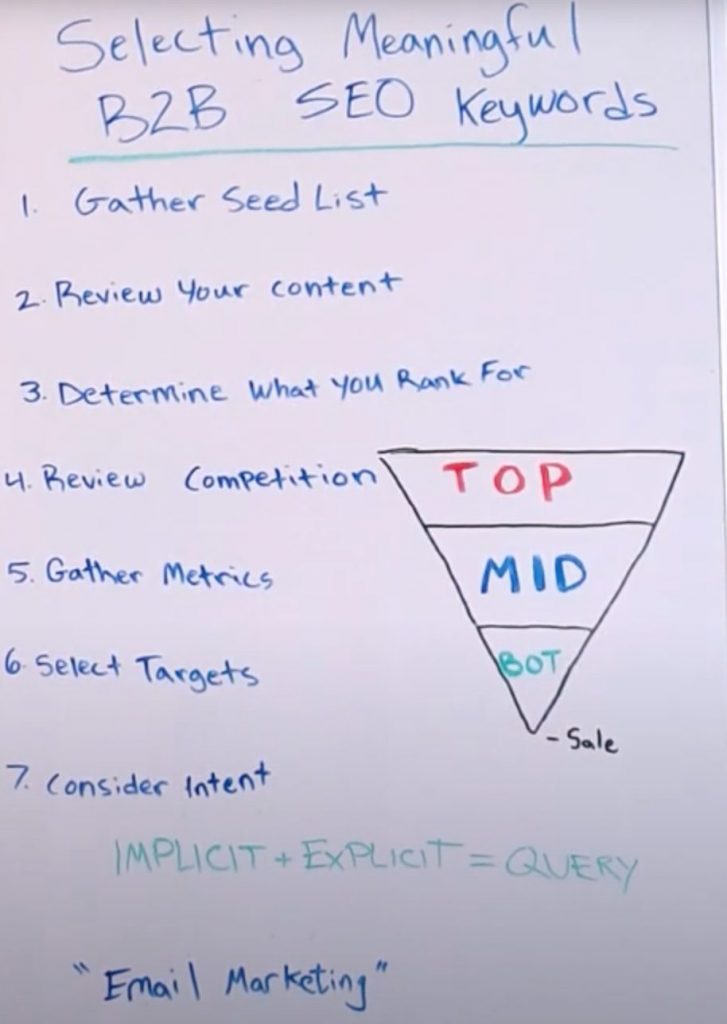
Every successful content strategy starts with a short list of simple words. Before I ever open a keyword research tool, I write down a handful of phrases that describe what my business does or what my audience searches for. Those phrases are seed keywords, and they do more work than most marketers realize.
In this guide, I will walk through what seed keywords are, why they matter, exactly how to find them, the best tools to use, and how to turn a seed list into a full content plan.
Table of Contents
- What Are Seed Keywords?
- Why Seed Keywords Matter for Content Strategy
- How to Find Seed Keywords
- Best Seed Keyword Tools
- How to Build Your Content Plan From Seed Keywords
- Frequently Asked Questions About Seed Keywords
What Are Seed Keywords?
Seed keywords are broad, short phrases (typically one or two words) that represent the core topics your business operates in. They are the starting point for keyword research, not the finish line. Think of them as the seeds you plant before a topic cluster grows around them.
For example, if you run a project management SaaS, your seed keywords might be “project management,” “task tracking,” and “team collaboration.” From each of those seeds, you can grow dozens of long-tail keywords, supporting blog posts, and pillar pages.
Think of seed words as the simplest, most direct description of a topic your audience cares about. They carry broad intent and high search volume, which is why they serve as anchors for the rest of your strategy.
Pro Tip: Don’t confuse seed keywords with target keywords. Seed keywords are the raw material. Target keywords are the specific, refined phrases you actually optimize each page around.
I’ve found that teams who skip the seed keyword phase tend to build scattered content libraries with no clear thematic structure. Defining the seeds first aligns writers, strategists, and subject matter experts before anyone writes a single word.
Why Seed Keywords Matter for Content Strategy
Seed keywords form the foundation of topic clusters. A topic cluster typically includes one pillar page that targets a broad theme and multiple supporting pages that address related long-tail queries. Without a clear seed keyword to anchor the pillar, the cluster has no center of gravity.
Here is why a strong seed keyword set improves your entire program:
- Reduces the blank-page problem. A strong seed keyword set gives writers and strategists a defined universe to work within. Instead of brainstorming from nothing, the team starts with a map.
- Improves content planning consistency. When everyone agrees on five seed keywords, editorial calendars, content audits, and gap analyses all use the same vocabulary.
- Connects you to buyer intent. Seed keywords help generate long-tail keywords, which express more specific search intent. Long-tail keywords that express more specific search intent than seed keywords are often easier to rank for and convert better.
- Supports scalable organic …read more
Source:: HubSpot Blog



Author: Aaron