The Ghost at the Dinner Table: How I Finally Evicted My Father’s Voice from My Head


For the first twenty years of my life, I didn’t know how to exhale.
My childhood home wasn’t a sanctuary; it was a minefield. The atmosphere was dictated by the mood of one man—my father. We lived in a state of perpetual, high-stakes anticipation. The sound of his car tires in the driveway, the heavy thud of his work boots in the hallway, the specific timber of his voice when he asked, “Who left this here?”—these were the triggers that sent my nervous system into overdrive.
I am writing this today as a survivor of a verbally and emotionally abusive father. For years, I carried the weight of his rage, convinced that his anger was a reflection of my worth. I lived in a prison of anxiety, constructed by his words and reinforced by my own guilt.
But I also write this as someone who has found the key to the cell. Healing is not a straight line, and it is not a fairytale. It is a gritty, messy process of separating truth from lies, releasing the poison of hatred, and finally, learning to breathe again.
The Architecture of Fear
When you grow up with an abusive parent, you don’t just learn fear; you become molded by it.
My father was a master of the verbal assault. He didn’t just yell; he dismantled. He knew exactly which words would cut the deepest, targeting my intelligence, my appearance, and my character. “You’re useless,” he would sneer. “You’re the reason this family is a mess.”
As a child, you don’t have the cognitive tools to understand that your parent is projecting their own self-loathing onto you. Instead, you absorb it. You think, “If he is shouting, I must have done something wrong. If I am better, quieter, smarter, he will love me.”
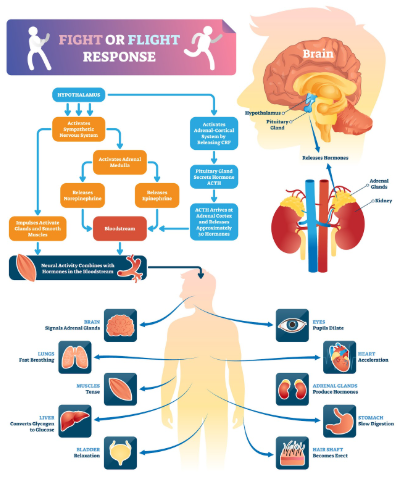
This created a life of constant anxiety. Even after I moved out, I carried that anxiety with me. I apologized for taking up space. I flinched at loud noises. I was a perfectionist at work, terrified that one mistake would result in a catastrophe. My body was stuck in a permanent “fight or flight” mode, flooding my system with cortisol even when there was no danger.
Shutterstock
I was safe in my own apartment, miles away from him, but my body was still waiting for the other shoe to drop.
The Heavy Cloak of Guilt
The most insidious part of abuse is the guilt. It sounds counterintuitive—why should the victim feel guilty?
I felt guilty because I hated him. I felt guilty because I wanted to leave. I felt guilty because, despite everything, I still wanted his approval.
This guilt kept me tethered to him long after I should have cut ties. I would endure Sunday dinners where the air was thick with tension, swallowing my nausea, smiling through the insults because I thought that’s what “good” children did. I was protecting his secrets. I was the keeper of the family image, ensuring the neighbors didn’t know what happened behind closed doors.
Confronting this guilt …read more
Source:: Social Media Explorer