Multi-channel content distribution: How to scale content reach in the era of Loop Marketing


By juthompson@hubspot.com (Justina Thompson)

I’ll say the hard thing nobody wants to admit: Creating “great content” isn’t enough; it’s time for a change. And that change starts with multi-channel content distribution.
This guide covers:
- What multi-channel content distribution is
- How to efficiently syndicate content across platforms
- Content distribution ideas that align with the Loop Marketing era
You’ll learn how to make the most of your content through modular repurposing, build an optimized distribution strategy using channel-specific adaptation, and measure which platforms drive pipeline. Multi-channel content distribution connects content to multiple channels using unified data and automation, transforming content distribution from a manual bottleneck into a scalable growth engine.
Whether you’re exploring your first multichannel distribution strategy or refining an existing approach, the frameworks, metrics, and tactics ahead will help you amplify content reach, improve lead quality, and attribute revenue to the channels that matter most.
Table of Contents
- What is multi-channel content distribution, and how does it work?
- How multi-channel content distribution drives revenue?
- Multi-channel Content Distribution Strategy
- How to Repurpose and Personalize Content Across Channels
- Multi-channel Content Distribution Metrics to Track
- Frequently Asked Questions about Multi-channel Content Distribution
What is multi-channel content distribution, and how does it work?
Multi-channel content distribution is a marketing strategy that publishes and promotes content across multiple platforms simultaneously, enabling it to reach audiences wherever they consume information.
Unlike single-channel approaches that limit visibility to a single platform, a multichannel distribution strategy places your content on multiple platforms simultaneously, including:
- Websites
- Social media
- Podcasts
- Video platforms
- Digital communities
- AI-powered search engines
Multi-channel content distribution enables seamless connection of your content across multiple channels through unified data and automation. This differs from omnichannel distribution, which focuses on creating seamless experiences across touch points.
Multi-channel distribution prioritizes reach and channel-specific optimization, adapting content formats, lengths, and styles to match each platform’s requirements.
How multi-channel content distribution works:
- Content creation: Produce a core piece of content (pillar content, campaign asset, or original research).
- Channel mapping: Identify where your target audience spends time — on social platforms, email, forums, video sites, or AI search tools (like ChatGPT or Perplexity).
- Format adaptation: Transform the core content into channel-appropriate versions. Blog posts can be transformed into LinkedIn carousels, podcast clips, email sequences, or short-form videos.
- Coordinated publishing: Deploy content across channels using scheduling tools and automation workflows.
- Performance tracking: Measure engagement, conversions, and attribution across each channel to identify what works.
All in all, automation and AI tools streamline content distribution workflows across channels, reducing the manual effort required to maintain presence on multiple platforms while ensuring consistent messaging.
Multi-channel Content Distribution in the Loop Marketing Era
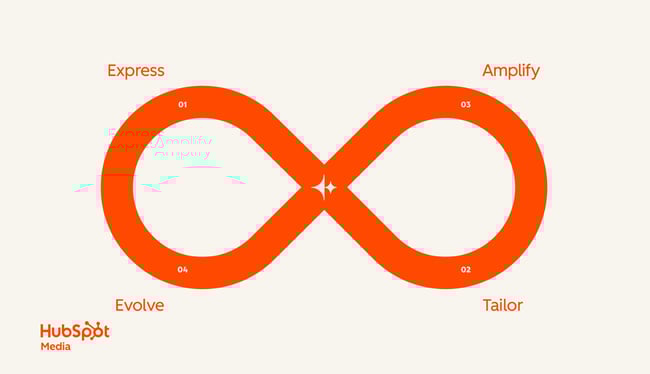
Within HubSpot’s …read more
Source:: HubSpot Blog