How to Photograph New Construction Builds Like a Pro

Walking into a brand-new home is a sensory experience. You smell the fresh paint, see the pristine carpets, and feel the untouched potential of the space. But capturing that feeling in a two-dimensional photograph? That is surprisingly difficult.
Without furniture or personal touches, empty rooms can look like cold, rectangular boxes. They lack scale, depth, and emotion—the very things that drive a buyer to make an offer.
If you are marketing a new construction home, your photography strategy needs to be different from shooting a lived-in resale property. You aren’t just selling a house; you are selling a vision. You have to work harder to help the buyer imagine their life unfolding between those four walls.
Whether you are a builder, an agent, or a homeowner documenting the process, here is how to take photos that turn an empty shell into a must-have home.
1. Use the Golden Hour to Your Advantage
Lighting is the makeup of real estate. Bad lighting makes a room look dingy and small, while great lighting makes it look expensive and inviting.
For new construction, this is doubly important because you don’t have furniture to distract the eye. If the lighting is flat, the whole photo feels sterile.
- The Strategy: Shoot your exteriors during the Golden Hour—the first hour after sunrise or the last hour before sunset. This low-angle light adds warmth and depth to the siding and stone work.
- The Interior Trick: For interiors, turn on every single light in the house (including under-cabinet lights and vanity bulbs) but keep the blinds open. This mixture of warm artificial light and cool natural light creates an effect that makes the home feel alive.
2. Solve the Empty Room Problem
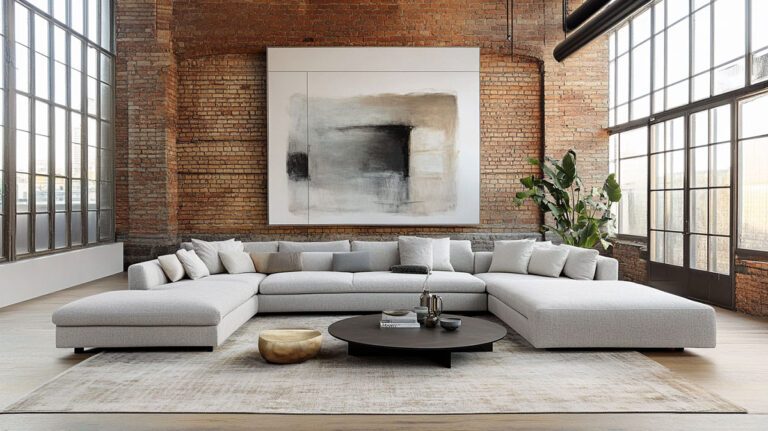
The biggest enemy of new construction photography is the shoebox effect. When you take a picture of an empty bedroom with white walls and beige carpet, it looks tiny. Without a bed or a dresser for reference, the human eye cannot judge the scale.
You have two options here:
- Physical Staging: You don’t need to furnish the whole house. Focus on the money rooms—the primary bedroom, the living room, and the dining area. Even a single armchair and a rug can define the space and show buyers that a king-sized bed will actually fit.
- Virtual Staging: If renting furniture isn’t in the budget, digital technology has come a long way. You can take a high-quality photo of an empty room and have a graphic designer digitally insert stylish furniture. Pro Tip: Always disclose that a photo is virtually staged so you don’t mislead buyers, but use it to show the potential of the layout.
3. Shoot From a Low Angle
A common mistake amateur photographers make is shooting from eye level (about 5’8″). When you do this in an empty room, you capture too much ceiling and too much floor, which makes the walls look short.
To make a room feel grand and spacious, …read more
Source:: Social Media Explorer