How Could Deepfakes Change Marketing?

By Neil Patel
Deepfakes are receiving a lot of bad press.
U.S. Sen. Marco Rubio (R-Fla.) called the technology a propaganda weapon.
Facebook’s COO Sheryl Sandberg said deepfakes raise the issue of not believing what you see.
Investigative journalist Rana Ayyub was targeted with a deepfake pornography video to discredit and silence her.
With so much negativity around the tech, is there any chance of it bringing good into the world?
Yes! The possibilities when you combine AI technology with marketing are exciting and can change how we speak with our customers forever.
When used with positive intent, they are a potent marketing tool.
Below, I’m breaking down exactly what these videos are, the drawbacks of using them, and the different ways marketers are currently using deepfakes to create stronger campaigns.
What Are Deepfakes?
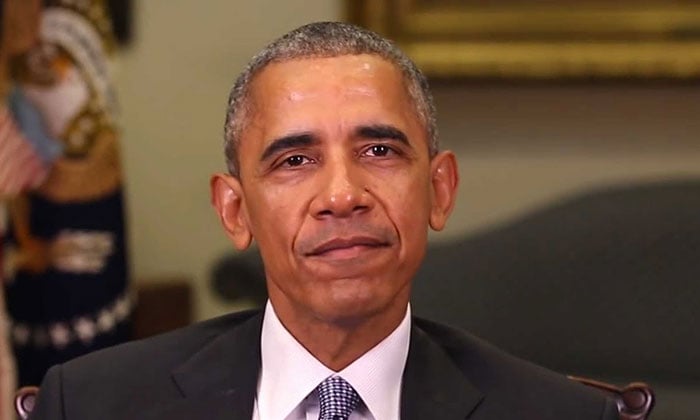
Have you seen a YouTube video of Barack Obama calling Donald Trump a “complete dipshit?” What about Jon Snow apologizing for the disastrous season finale of Game of Thrones?
If you answered yes, you’ve seen a deepfake video.
The term “deepfake” was coined in 2017 and is a combination of “deep learning” and “fakes.” It uses deep learning technology (a branch of machine learning) to create the dupe.
Artificial Intelligence (AI) learns what the source face looks like at different angles and then superimposes it onto an actor’s face, essentially creating a mask.
For example, let’s say you have a database of audio clips or video files of a person. You could create a hyper-realistic fake video of celebrities discussing the future of cinema or revenge porn.
Hollywood has already taken advantage of deepfakes by transposing real faces onto other actors. The most notable example is bringing Carrie Fisher back to life for a short scene in Rogue One: A Star Wars Story.
While many fear the technology being used for nefarious ends (more on this below), deepfakes offer a range of intriguing possibilities. You can create apps to try a new hairstyle or use it to help doctors with medical diagnosis.
The Drawbacks of Using Deepfake Technology
With the rise of deepfake technology, it’s not hard to understand why some people are skeptical and even terrified of it becoming widely adopted.
After all, the advances in this technology make it harder to distinguish what is real and fake.
It can lead to serious dangers like fake news, putting words in politicians’ or celebrities’ mouths, and ruining someone’s life with fake pornography.
Lack of Trust
Deepfakes can breed a culture of mistrust and not knowing what to trust. If the president holds a press conference inciting violence, but it’s a deepfake, how do you know what to believe?
For example, a deepfake of Mark Zuckerberg made the rounds on the internet. The video shows Facebook’s CEO giving a speech about …read more
Source:: Kiss Metrics Blog