What is the Difference Between B2B vs B2C for Paid Social Media?

By Neil Patel
While the terms B2B (business-to-business) and B2C (business-to-consumer) marketing may sound similar, they differ vastly in practice, especially when it comes to paid social media.
Areas like content, objectives, best practices, and which platforms to use can impact the most effective strategies in paid social media. This chart outlines a few of the main differences.
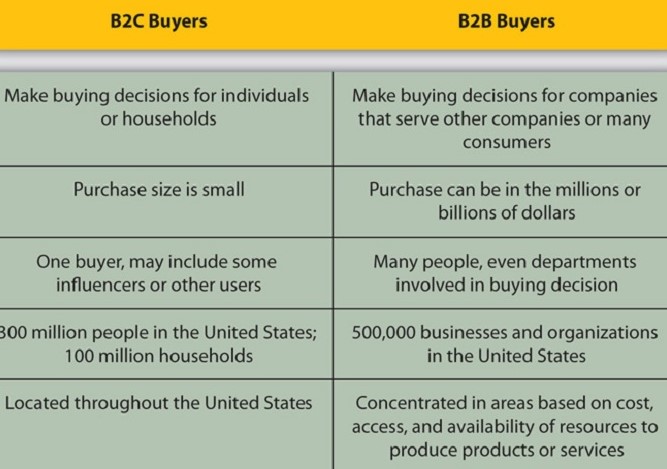
These differences are particularly evident in the approaches for paid social media strategies. Before we dig into the different strategies, let’s take a deeper look at the differences between B2B and B2C.
What is B2B Paid Social Media?
B2B buyers are typically large organizations (like enterprise companies, hospitals, or universities) that market their products or services to other businesses. Those businesses typically need agreement from multiple stakeholders before making a purchase, which often extends the sales cycle length.
When conducting B2B marketing, the message should focus on logic and ROI, rather than emotional impact. How can you help their organization achieve its goals? What is important to their organization’s mission?
When creating a B2B paid social marketing strategy, ensure your campaigns and accompanying materials highlight a solid return on investment (ROI) that underlines how your product or service helps them save time, money—or both.
What is B2C Paid Social Media?
Conversely, B2C marketing means you’re marketing directly to a consumer. The focus should be on the benefits of the product—and how that product can benefit the consumer. However, the purchase decision is based much more on emotion than tangible ROI.
Buyers don’t want to put in extra work to understand the value of your product. You must clearly indicate benefits in a concise way that uses an emotional pull.
B2C vs B2B also differs in length of the purchasing process, with consumers making purchases in minutes to days. In contrast, B2B consumers take much longer, with the decision process occasionally extending a year or more.
B2B vs. B2C Marketing on Social Platforms
In addition to the above differences, B2B vs B2C users tend to use different social platforms. This distinction matters for marketers, as it guides where you should focus your time and resources to target these consumers.
If you’re attempting to sell to a consumer on a historically business-heavy platform (like LinkedIn), it is unlikely you’ll have much success.
B2B Social Platform Use
Historically, social media platforms don’t perform all that well for B2Bs. For example, trying to sell an enterprise software solution on Facebook might not get you very far.
Despite this precedent, there is an exception to every rule, and in this case, that exception is LinkedIn.
Since the platform’s start, marketers have been trying to take advantage of LinkedIn’s ability to connect with powerful decision-makers in a professional setting.
Now you can. Credited with 97 percent of a business’ social media leads, LinkedIn is the platform every B2B marketer should be using to reach their audience and drive leads.
This may …read more
Source:: Kiss Metrics Blog