How Spam Filtering Protects You from Phishing and Malware

By Chris Turn
Your email inbox is both a key communication hub and a major entry point for cyber threats. Every day, malicious emails aim to trick users into giving away sensitive data or installing harmful software. This is where spam filtering proves indispensable, working quietly to keep your inbox secure by blocking suspicious messages before you even see them. Understanding how spam filtering protects you is essential for maintaining online safety.
This article explains how spam filtering shields you from two of the most dangerous email threats: phishing and malware.
How Spam Filtering Works
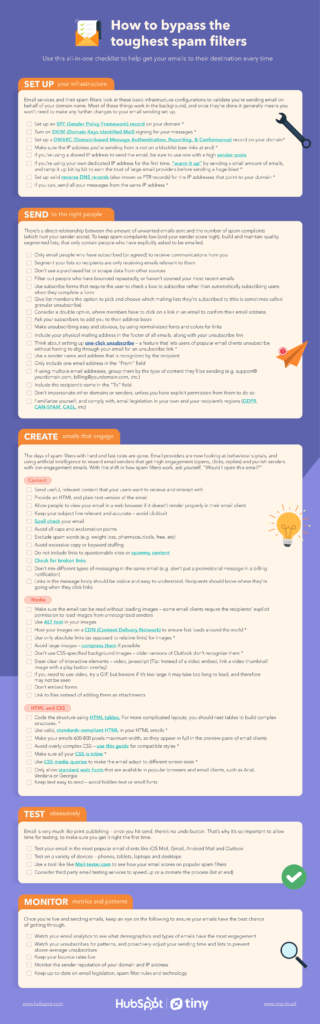
Spam filtering relies on advanced rules and algorithms to spot and block unwanted or dangerous emails. Early filters might simply blacklist known senders or search for certain words, but threats are more sophisticated today, so modern filtering solutions use multiple layers of scrutiny.
Key elements of spam filtering include:
- Sender Reputation: Is the email coming from a known spammer or a blacklisted IP?
- Content Analysis: Scans subject lines and body text for shady language, odd links, or common spam patterns.
- Technical Headers: Checks for forged sender info or anomalies in how the message was sent.
Once identified, spam messages are typically quarantined or sent directly to your spam folder, keeping your main inbox cleaner and safer.
Blocking Phishing Attacks
Phishing emails impersonate trusted entities—banks, tech companies, or even co-workers—to trick you into revealing personal info, credentials, or payment details. These emails often look convincing, making them especially dangerous.
Spam filters help stop phishing by:
- Link Inspection: Filters check whether email links truly go to legitimate sites, rather than disguised, malicious destinations.
- Impersonation Detection: Modern filters can spot subtle misspellings in domain names or fake logos, which are common in phishing scams pretending to be well-known brands.
- Behavioral Analysis: Some systems evaluate the tone and urgency of an email. They flag messages pushing immediate actions, threats, or emotional responses—classic hallmarks of phishing attempts.
Thanks to these tools, most phishing emails are caught before they can trick you or your team.
Stopping Malware Before It Spreads
Malware—viruses, ransomware, spyware—often arrives in the form of email attachments masked as routine documents, like invoices or delivery notices. Opening these files can quickly put your machine, and possibly your whole network, at risk.
Spam filters provide several layers of protection:
- Attachment Scanning: All attachments are scanned for known malware signatures. Suspicious files are blocked before arriving in your inbox.
- Sandboxing: Some advanced systems run attachments in a secure environment to watch for harmful behavior. If something malicious is detected, the attachment is quarantined.
- File Type Restrictions: Many spam filters automatically block high-risk file types (such as executable files or unfamiliar scripts) that are rarely used in legitimate business email.
Together, these features drastically reduce the chances of malware making it through to end users.
The Role of AI and Machine Learning
As cyber attackers get smarter, so do spam filters. The latest filters use artificial intelligence (AI) and machine learning to adapt quickly to new threats. Every time a new phishing or …read more
Source:: Social Media Explorer