Which Types of Content Will Win Over Google AI Overviews, According to Experts & 300+ Web Strategists



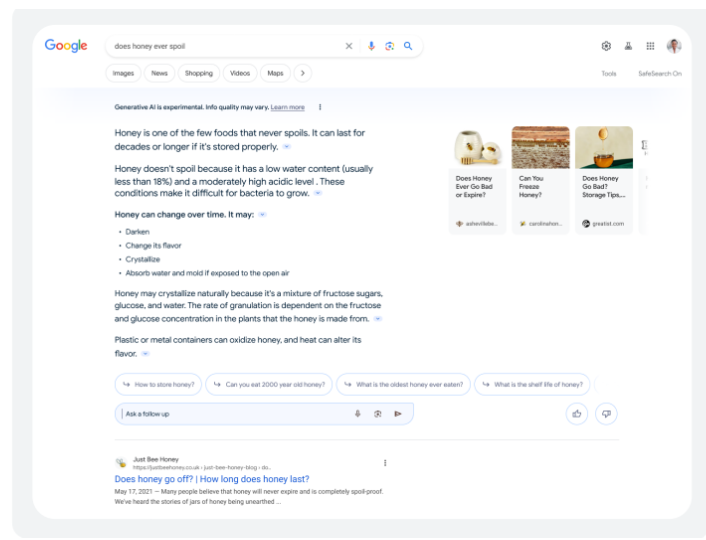
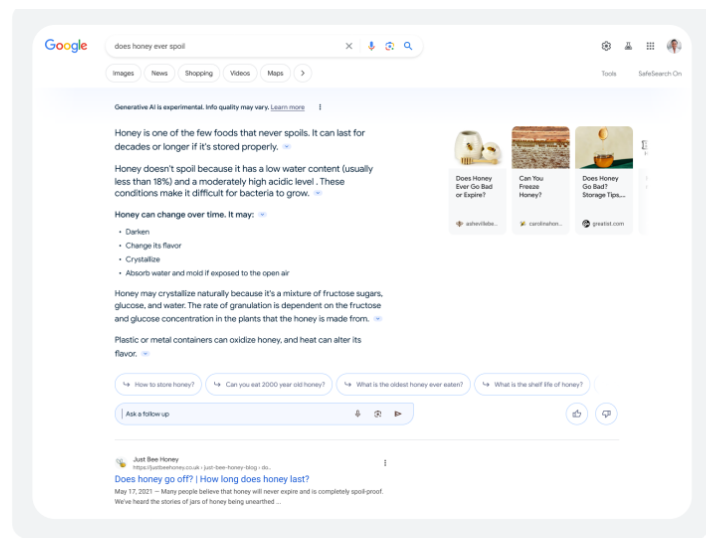
Since May 2024, Google’s AI Overviews (aka SGE) have reshaped the SEO world as we know it.
While content quality has always mattered, the stakes are now higher than ever as content must be not only informative and unique, but also easily digestible by Google’s AI.
This shift leaves a big question: What happens to your traffic if some of your content becomes redundant?
Check out insights from HubSpot’s SEO experts on which content to prioritize and what to avoid in the post-SGE landscape.
Which Types of Content to Lean into Ahead of Google’s SGE
1. Lean into personality-driven, thought-provoking content.
AI has a lot going for it. But, due to the nature of it being a robot, it inherently lacks one thing: a perspective.
Which is why you’ll want to ensure you start leaning into personality-driven thought leadership content that offers personal lessons, examples, and novel concepts that drive conversations forward.
In a survey we ran of 300+ U.S. web strategists and SEOs, we discovered that 37% think review and comparison content will thrive, while 27% see opinion pieces and thought leadership content as strong performers in this new landscape.
As Aja Frost, HubSpot’s Director of SEO Global Growth, puts it, “As a result of the AI evolution, there is an exponential increase in the amount of AI-written, low-value content. And, in response to that, Google is prioritizing first-person, credible, personality-driven content.”
This makes sense. Google needs its AI models to continue to improve based on new information on the web. And new information – including new perspectives and ideas — can only come from real people.
For instance, consider what happens when I ask Breeze Copilot, “How do I build emotional resilience as an entrepreneur?”
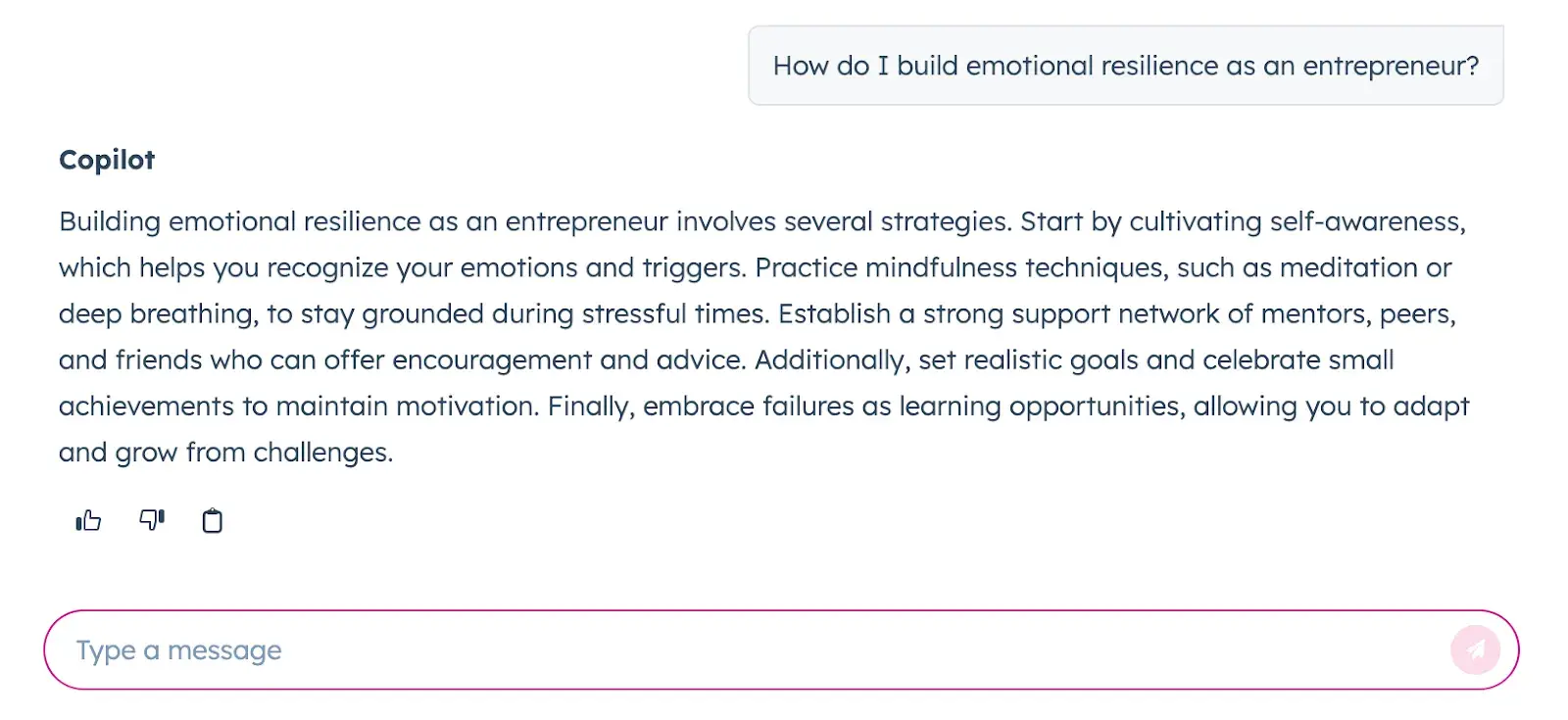
Copilot’s answer includes plenty of tangible steps toward building resilience. But it lacks the nuance and complexity of real life.
Which is why it’s more helpful for me to turn to this post: “Bounce Back: Five Founders on Building Emotional Resilience.”
In the post, one founder, Michael Plisco, says, “As founders, we often find ourselves so deeply attached to our business and its mission that it becomes difficult to distinguish ourselves from what we are building. In failure, you have to take a step back and realize that the failure of the business, regardless of the situation, does not equate to a failure of self.”
Plisco then recommends getting back in touch with the things that make you happy, from spending time with friends and family to activities you haven’t had the time for since launching your business.
Consider that advice compared to Copilot’s advice to “Embrace failures as learning opportunities, allowing you to adapt and grow from challenges.”
See the difference?
Ultimately, there are plenty of topics that deserve a quick, straightforward, cut-and-dry answer. I turn to Copilot all the time for topics like “Make me a workout plan,” “What is …read more
Source:: HubSpot Blog