SEO Is Never Truly Done, Here are 7 Reasons Why


By Neil Patel

You’ve established your initial web presence and have an SEO strategy in place. There’s some steady traffic, and you’re even picking up some leads. Your job’s done, right? Not quite.
You see, it’s not that simple. Effective SEO is an ongoing process that takes consistent work.
Even if you’ve hit your key milestones and you’re where you want to be in the SERPs, that doesn’t mean there isn’t still room for improvement and that you don’t need to adapt. Especially when the competitive landscape is ever-changing.
Semantically-related keywords, image optimization, predictive search, and Google Analytics 4 are just some of the factors shaping SEO as we know it. In addition to these trends and developments, there are many other reasons why you should keep working on your SEO strategy.
In this piece, I detail why SEO is a continuous process. It’s not something that you can afford to ignore once you start seeing results.
Let’s get started with the first reason.
1. There’s More Than One Type of Effective SEO Strategy
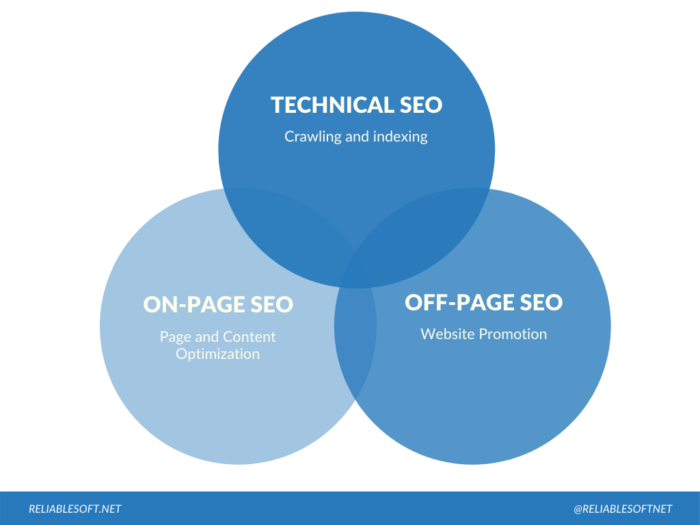
There’s more than one type of SEO, and an effective SEO strategy covers each type. In digital marketing, we divide SEO into four separate categories:
- On-page SEO optimizes a website’s content and structure to rank higher in the SERPs. On-page SEO includes optimizing the title and header tags, meta descriptions, images, and other elements affecting how a website ranks.
- Off-page SEO includes building backlinks to your site from other websites. The more high-quality backlinks a website has, the higher it ranks in SERPs, increasing your website’s authority and standing.
- Technical SEO optimizes your website for search engines to earn better rankings and more traffic. It covers the non-content areas of your site, like speed and mobile friendliness, and it’s one of the most effective ways to improve your website’s visibility and attract more visitors.
- Local SEO helps to ensure that your website appears near the top of search engine results pages for relevant queries in your area. You can do several things to improve your local SEO, such as filling out your Google My Business profile. This free service from Google allows businesses to create and manage their business listing on Google.com and other Google services such as Maps and Search.
A great example of local SEO is the legal firm, Hasbrook & Hasbrook. It’s got a first-page ranking in the SERPs, attracting nearly 10,000 monthly searches for Oklahoma-centered keywords. It’s done this by using local keywords in its page titles and website URL, publishing local law content, and optimizing its Google My Business page.

- Enterprise SEO is a large-scale method of SEO. It …read more
Source:: Kiss Metrics Blog