
How to Streamline PHP for SEO


By Neil Patel

There’s a lot of misconceptions about PHP for SEO. Many people don’t understand it, what it is, how we use it, and how it impacts our SEO.
The good news is that you don’t likely have much to worry about. PHP can make your website better for SEO and better for your users. The key is to know how to use it properly and what pitfalls to look out for.
The goal of this guide is to help you better understand how PHP relates to SEO and how to use it to your advantage.
What Is PHP?
PHP, or Hypertext Preprocessor, is a programming language that allows users to create dynamic content on a website. The goal behind PHP is to help make your website more interactive and more interesting.
Here’s a simple example of what it looks like (alongside HTML, in this case):
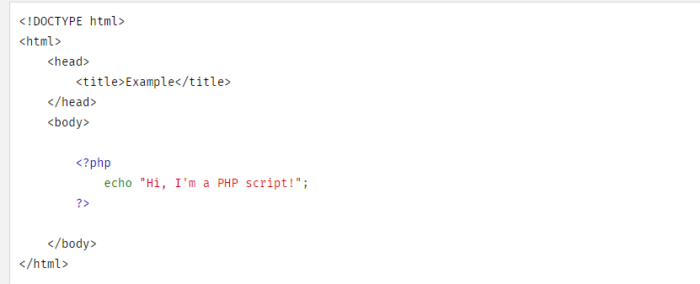
The reason PHP is so popular is because it operates server-side, which means it’s already embedded in HTML so it’s simple, efficient, and forgiving. Using PHP allows you to perform standard website functions such as opening files, reading information, and closing them.
Since it’s also open-source, it means that it’ll run with your web hosting server without the need for any additional files.
One of the most popular places where we see PHP and SEO come together is on WordPress. Many of us content marketers use WordPress for its simplicity and ease of use. The ability to upload files, drag and drop, and work directly in WordPress is why we use it. Most of this is thanks to PHP.
How Does PHP Affect SEO?
The immediate thought when we look at PHP for SEO is that it is overcomplicated. This is because PHP is a programming language with an unusual syntax. It doesn’t have the uniformity and predictability of other languages. However, this flexibility is what gives developers room to work without too many restrictions.
One major goal of website design and functionality is simplicity when it comes to SEO. We find that Google prefers a simpler website because it’s easier to crawl, Google picks up on more of our keywords, and it takes less time which means Google will crawl more pages. That’s what we want.
Complicated scripts adding in dynamic features make it more challenging for Google to crawl the site thus having a negative impact on our SEO.
PHP on the other hand can have a positive effect on SEO if we use it properly. Header files can vary based on the page being viewed which means we can use a wider variety of metadata resulting in more keywords and higher relativity to the page the user is on.
Not to mention the fact that server-side optimization opens the door for more inexperienced web builders and SEOs. Without the need for complicated scripts to create simple things like …read more
Source:: Kiss Metrics Blog


