
Why Social Media is ‘Pay to Play’ in 2021 (And How to Get the Best Bang for Your Buck)

By Neil Patel
It’s hard to believe now, but only a decade ago, the internet was awash with articles questioning how Facebook makes money.
No one’s asking that anymore.
Today, we understand advertising is the lifeblood of all the big social networks. Paid social media has become a key component of many brands’ marketing strategies. The more people these platforms have access to, the more money they make from businesses selling those people their products.
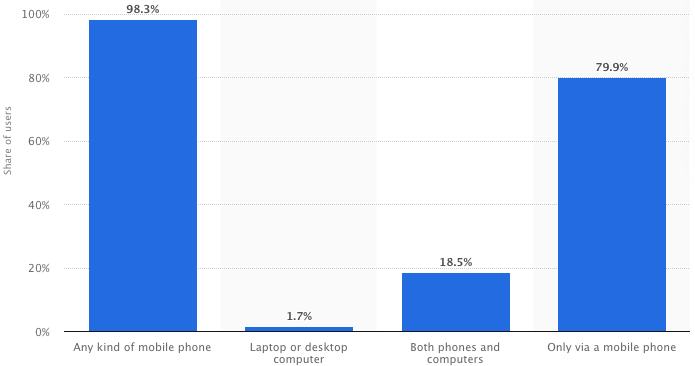
Just look at Facebook’s audience growth since late 2008. Despite a couple of small blips, it’s all up and to the right:
The net result? The platform’s annual revenues have climbed at an even sharper rate, with the vast majority of that money coming from ads:
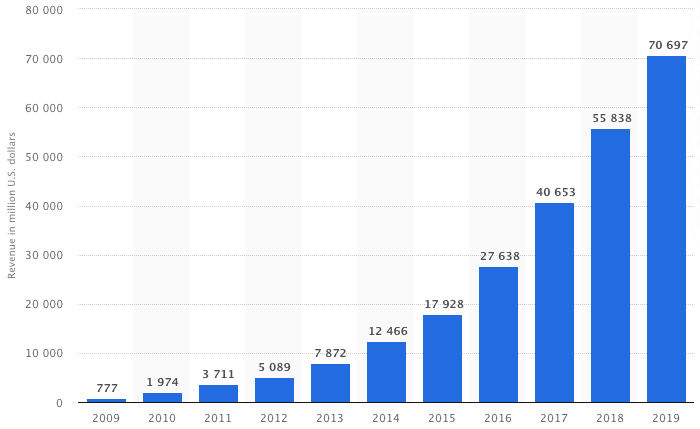
This has had inevitable consequences for marketers. As social networks focus more and more on increasing ad revenues, it’s become ever harder to grow an audience organically.
Facebook gets the most criticism for this, but it’s the same with Instagram, LinkedIn, Pinterest, Twitter, and almost all other platforms; they don’t want you to reach your audience for free (at least, not easily).
3 Reasons Why Social Media Is Pay to Play in 2021
Before I talk about why paid social media is so critical today, let’s be clear on the differences between paid and organic.
In a nutshell, organic social reach is all about creating and nurturing an audience without paid promotion. The specific tools at your disposal vary from platform to platform, but include things like:
- posting
- hashtags
- getting involved in relevant conversations
- responding to audience comments
- following potential customers
Everything that involves advertising dollars is paid social media, whether that’s an integrated advertising campaign or a one-off sponsored post. Costs are often calculated on a per-click basis, although other methods are available.
Now, here’s why social media has effectively become a pay-to-play environment.
1. Paid Social Media Is More Cost-Effective
Sure, paid social media costs money. But that doesn’t make it less cost-effective than organic social. In fact, weighing up the effort involved (and the results you can generate), it’s actually more cost-effective.
On Facebook, advertisers achieve average conversion rates of 9.21 percent. In other words, for every 100 interactions with your Facebook ad, nine will convert into a lead or sale. That’s a pretty impressive figure, and it’s even higher in some industries:
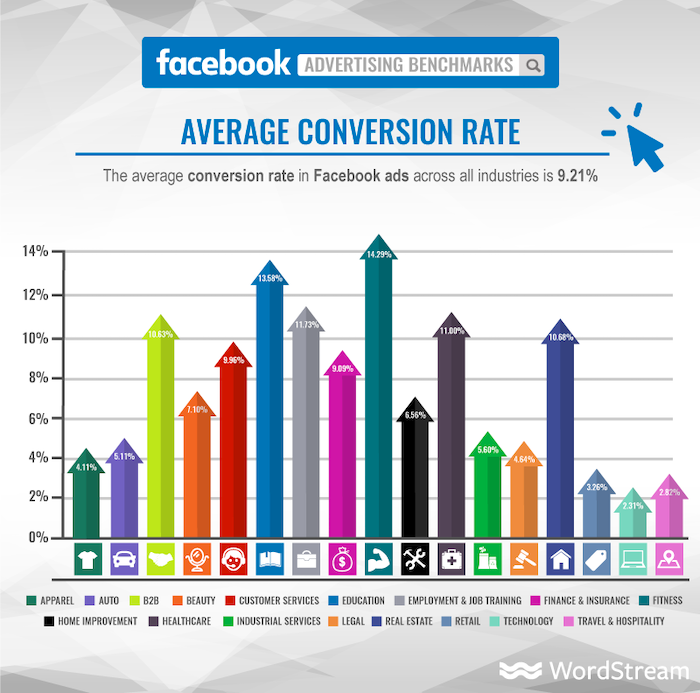
Of course, Facebook isn’t the only social network, and results vary by platform. For instance, on LinkedIn, advertisers shell out up to $8 for a single click.
That’s not to say LinkedIn isn’t cost-effective. Four in five LinkedIn members drive business decisions, and on average, it only costs about $2 per click more to reach a …read more
Source:: Kiss Metrics Blog


