
How Should LinkedIn Algorithm Changes Affect Your Strategy?

By Nick Nelson

B2B marketers recognize that the audience on LinkedIn is immensely valuable: more than 1 billion professionals scrolling their feeds with a career-focused mindset. It’s a fantastic platform for B2B marketing activities and the numbers bear that out.
But marketers also recognize that gaining reach on LinkedIn – especially organic reach – can be extremely challenging for brands. If you’ve put substantial effort into creating content for the platform only to watch it fall flat with minimal reach and engagement, you’re not alone.
The algorithm used by LinkedIn to determine which content shows up on whose feeds is, in many ways, a mystery. But there are plenty of publicly available details and insights to help you shape your content strategy – including recent revelations from LinkedIn itself.
Understanding the LinkedIn algorithm and how it works
LinkedIn uses a complex algorithm to curate and display content to users based on a multitude of factors. Because the ultimate goal is encouraging users to engage, spend time on the platform and return regularly, LinkedIn is highly motivated to ensure members are consistently finding content that is relevant, interesting and valuable to them personally.
This is a good guiding light for your LinkedIn content strategy. In order to better ensure your audience (and by extension, the LinkedIn algorithm) sees your content as relevant, interesting and valuable, there are some proven best practices to follow.
Keys to gaining reach on LinkedIn as a brand
Based on studies, documentation and first-party updates, here are six key approaches and adjustments to help your content gain traction with the LinkedIn algorithm.
Don’t make “virality” a goal on LinkedIn
It’s easy to see the appeal for brands in having a post or piece of content go viral on social media. In reality, the business impact of all this explosive yet ephemeral reach tends to be iffy. And on LinkedIn, aiming for virality can actually be counterproductive.
“LinkedIn is a bit of a different beast in the social network universe,” according to Hootsuite, “because the LinkedIn algorithm is specifically designed to prevent content from going viral.”
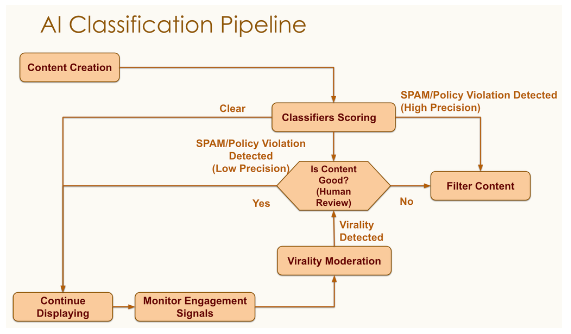
That’s not to say a resonant post cannot drive substantial reach and engagement in a short period, but LinkedIn is very sensitive to viral spam and has significant measures in place to detect and even predict it.
(Source)
One of the simplest signals used by LinkedIn to verify authentic and meaningful content is the characteristics of members who engage with it. Evaluating users based on network and activity features, the system seeks to learn: Are these real people genuinely engaging with this content?
With that in mind, it’s great to encourage your employees to interact with brand content shared on LinkedIn (just not the same few employees every time), and to create …read more
Source:: Top Rank Blog


